Why the New AirPods 4 Might Replace My AirPods Pro 2
This year is shaping up to be one of notable transitions for me in the Apple ecosystem. Instead of upgrading to the iPhone 16 Pro from the iPhone 15 Pro, I’ve opted to preorder the standard iPhone 16. My choice to go with the Apple Watch Series 10 in Jet Black over the Apple Watch Ultra 2 also reflects a shift in my preference for functionality over premium features. Now, I'm contemplating a switch from my AirPods Pro 2 to the newly announced AirPods 4, which I've already preordered, marking another downgrade in my lineup of Apple products.
Fit and Functionality Take Priority
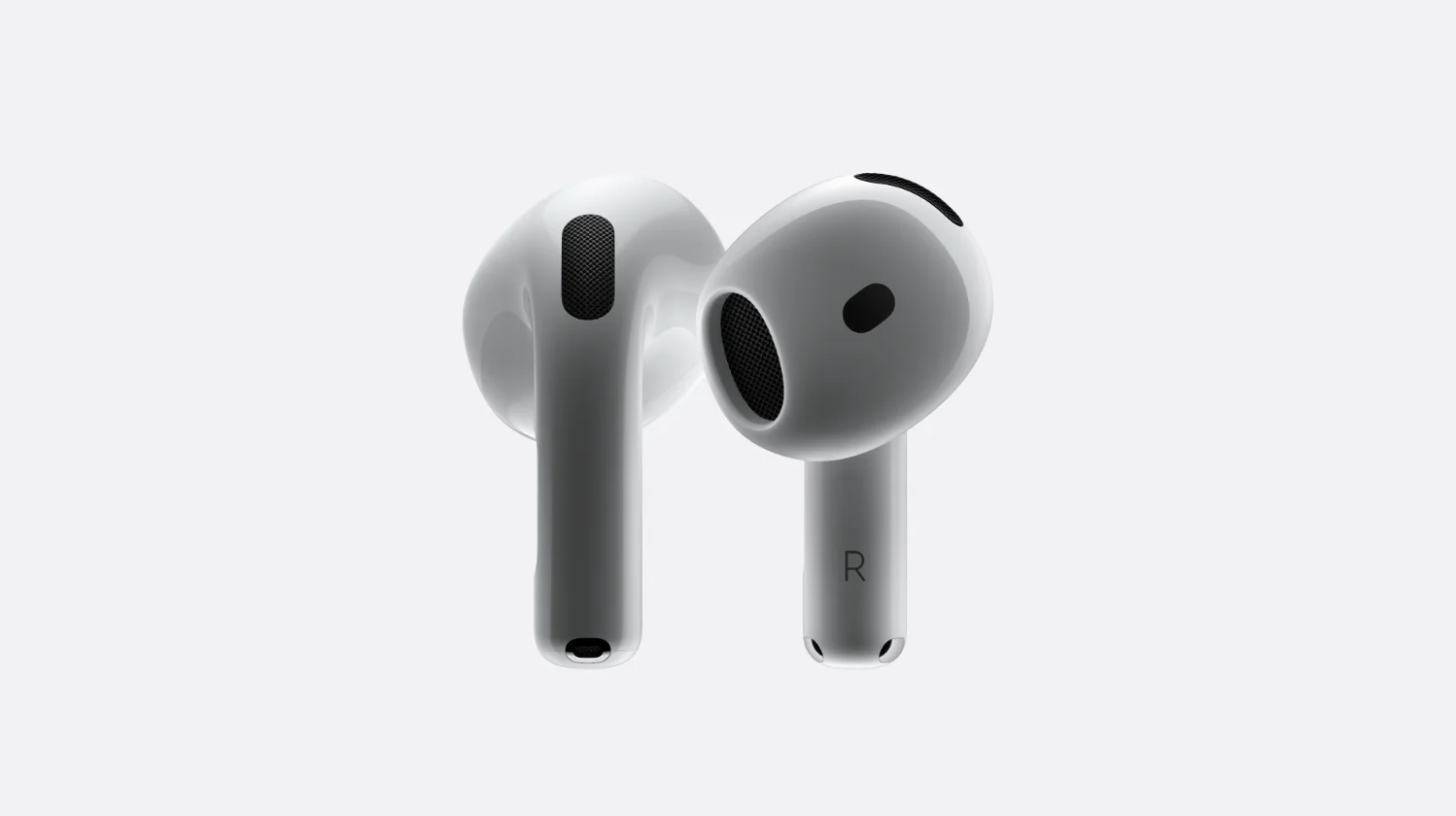
The primary reason I’m considering the AirPods 4 is their fit. While the AirPods Pro 2 offer great features, their fit has consistently posed a problem for me. Whether I'm exercising or even chewing gum, I've found they can easily fall out, which is less than ideal during a run or a workout. Having to frequently readjust ear tips is a hassle I would prefer to avoid.
This isn't just a personal gripe; it reflects a broader issue many users face with in-ear designs. Users often complain of discomfort or poor stability, especially during intense movements. I've noticed that open-ear earbuds tend to be more comfortable, particularly during vigorous activities. I'm eager to try out the AirPods 4 to see if they not only meet my comfort needs but also provide a secure fit. There's a certain trust I have in traditional AirPods; several users have reported that they fit more snugly compared to the Pro model, which has me curious to see if my experience aligns with theirs.
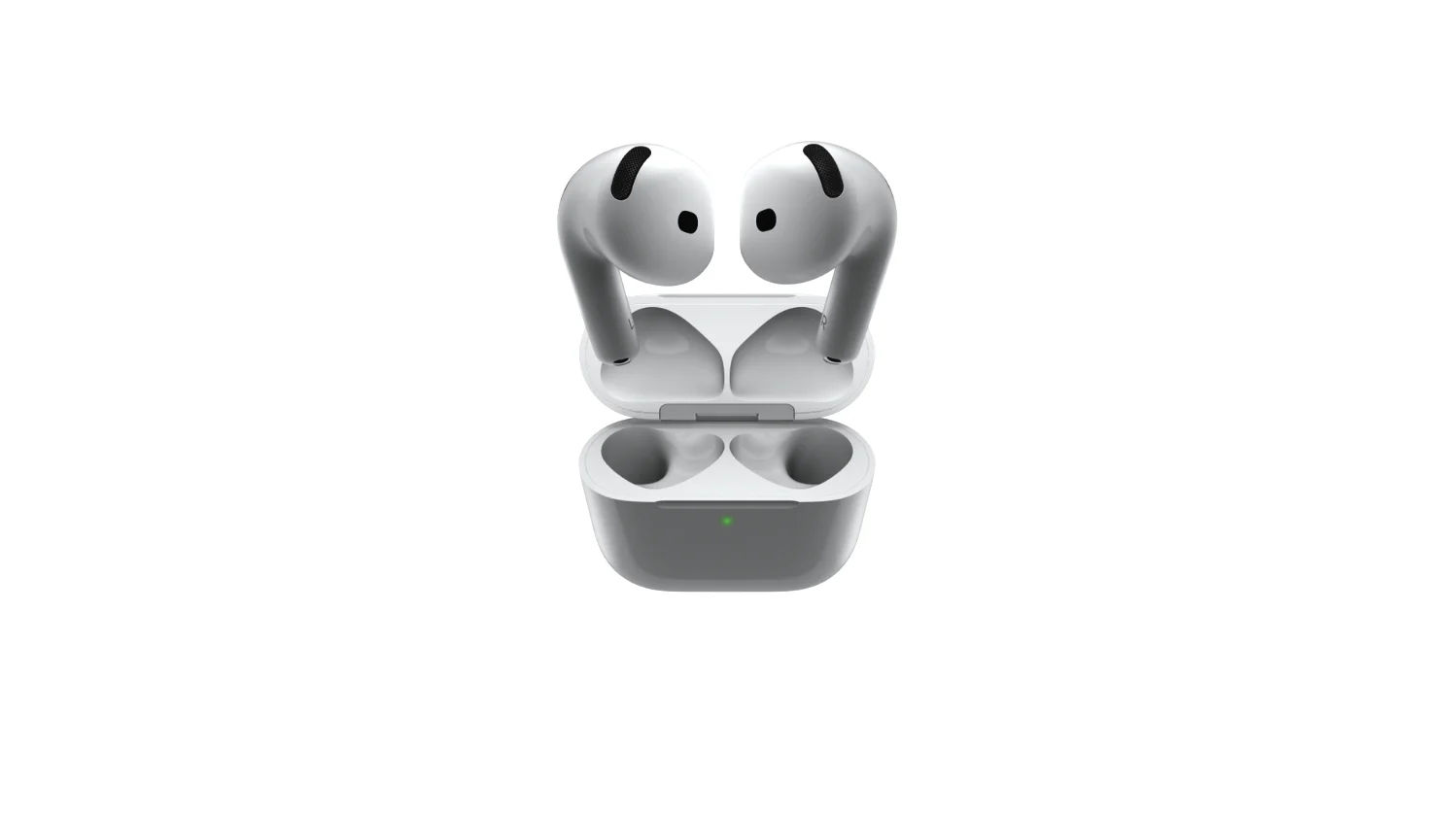
The second aspect drawing me towards the AirPods 4 is the inclusion of noise cancellation—a feature I’ve come to value highly in the Pro model. While I recognize that the AirPods 4’s noise cancellation may not match the Pro's caliber, I’m hopeful that it will suffice for my needs. Being able to minimize background noise is essential for maintaining focus during tasks like working, traveling, or exercising. It’s amazing how external sounds can distract from productivity; I've found that even a low hum of background activity can derail trains of thought.
Ultimately, it comes down to whether the AirPods 4 can deliver adequate performance without compromising on the fit and comfort I've struggled with in the Pro model. If they can strike that balance, I might find myself making the leap from a Pro device to one that emphasizes practicality. This shift illustrates a potential trend among users who are prioritizing everyday usability over premium features that may never be fully utilized.
The AirPods 4 are set to launch on September 20th, and I’m ready to see how this latest offering measures up. If you’re working in this space, it might also provide insight into how Apple’s product strategy could cater more to a practical audience, rather than just pushing their high-end offerings.
Broader Implications of These Choices
This transition away from premium models highlights a significant sentiment among consumers: not everyone appreciates high-end features if they come at the cost of comfort and practicality. Apple's flagship products have long been celebrated for their features and specifications, but if user experience falters, it can affect brand loyalty.
In addition, this shift could signify a growing market demand for products that cater to a wider range of lifestyle needs, rather than just elite users. Take the standard iPhone 16 compared to the Pro model; the decision to opt for a more straightforward device speaks volumes about users' priorities, especially in terms of performance that fits into daily life rather than showcasing advanced capabilities that may rarely be used.
This evolution can lead to Apple reassessing its product line and marketing strategies, perhaps dialing back on features consumers aren't finding as worthwhile or accessible. So, what does this mean for the tech industry at large? A move towards more user-centric designs might shape future offerings across various categories, promoting a user-first mentality rather than focusing on technical specifications that don’t speak to actual user experience.