New Firmware Enhances AirPods Pro 2's Functionality with iOS 18 Features
AirPods Pro 2 owners have exciting news: a firmware update is on the horizon with the release of iOS 18. The update, designated version 7A294, supersedes the previous 6F8 version and is accessible for both USB-C and Lightning models of the earbuds. Unlike its beta predecessors, this update is ready for all AirPods Pro users.
Features Introduced with iOS 18
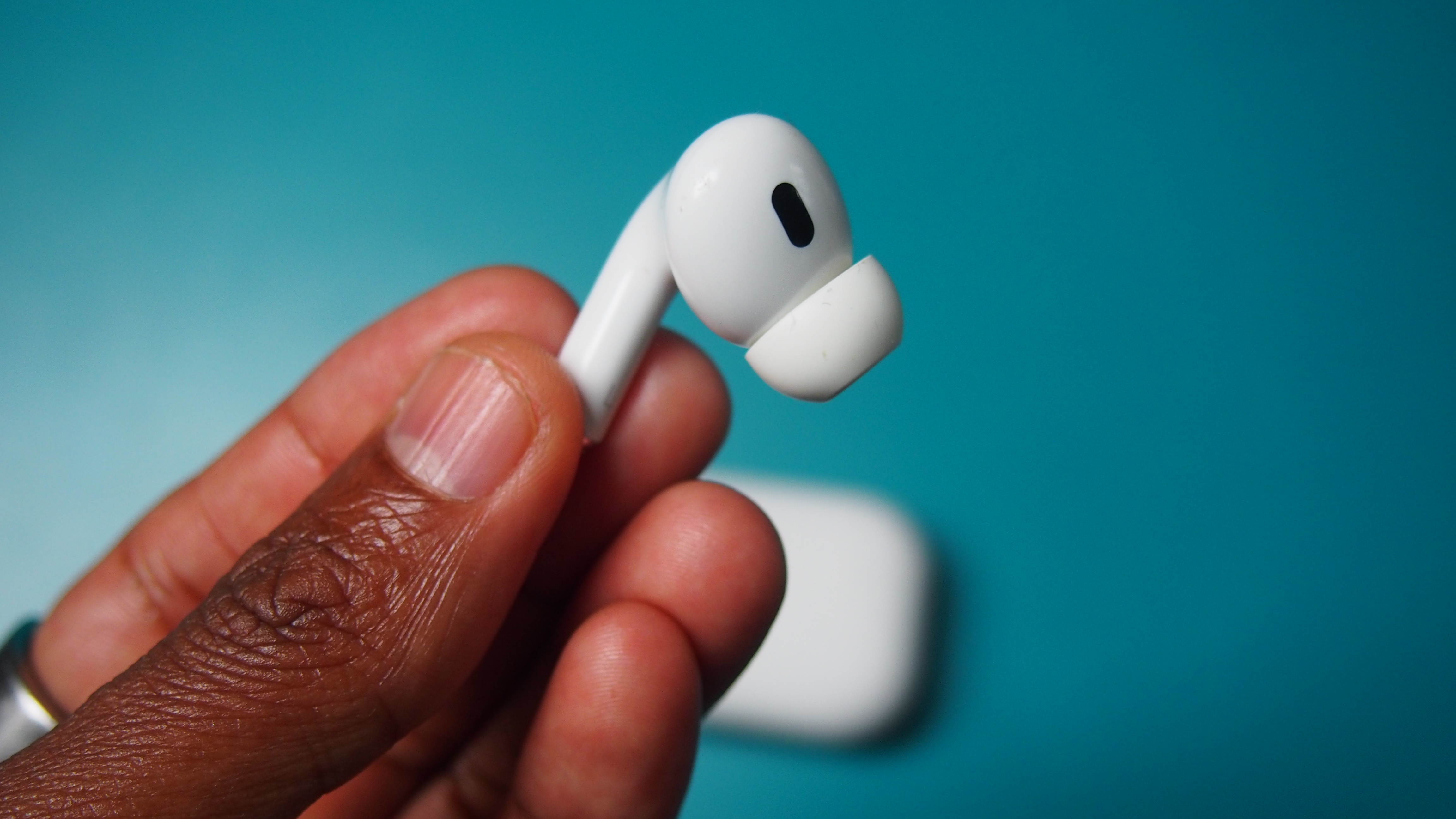
One highlight of the new firmware is the introduction of Siri Interactions, allowing users to respond to Siri notifications with simple head movements rather than voice commands. This feature notably enhances usability while the earbuds are in use. By enabling hands-free communication, it brings a level of practicality that many users will appreciate. In situations where speaking isn't an option—like in public or during a workout—this capability is more significant than it looks.
Another significant addition is Voice Isolation, which Apple is bringing to the AirPods Pro 2 after it made its debut on other Apple devices. Utilizing machine learning powered by the H2 chip in the earbuds and paired devices, it enhances voice clarity while minimizing background noise, such as wind. The technological underpinnings of this feature are intriguing; using machine learning to improve audio quality creates a more immersive experience. Users can benefit from clearer phone calls, video chats, or even when consuming audio content in noisy environments. The fact that Apple is iterating on its existing technologies to improve user experience indicates an understanding of user complaints and demands.
The firmware also includes Personalized Spatial Audio with dynamic head tracking specifically designed for gaming, offering improved audio quality, including 16-bit, 48kHz sound. This sets the AirPods Pro 2 apart from the AirPods 3 and AirPods Max. Remember the burgeoning popularity of spatial audio in a world filled with podcasts and streaming? By incorporating this feature specifically for gaming, Apple recognizes the gaming community's need for superior audio quality that can deliver a better gameplay experience. It's no longer just about sound; it's about creating an atmosphere that draws players in, an aspect that can influence purchasing decisions in the competitive gaming hardware market.
Additionally, the AirPods Pro 2 will gain several health-centric features this fall, providing capabilities that transform the earbuds into clinical-grade hearing aids along with personalized audio experiences through hearing tests. This move is particularly ambitious. What this means for you if you’re in the healthcare tech space is an intriguing fusion of audiology and consumer electronics. As health and wellness increasingly become focal points for tech companies, Apple's approach might incite other players to step up their game and explore similar ventures.
Implications and Future Outlook
As Apple positions the AirPods Pro 2 for more than just a premium audio experience, the implications for the broader tech landscape are noteworthy. By transforming common earbuds into devices that serve health-related functions, Apple is redefining their role in everyday life. Imagine a typical scenario: users can go for a run while getting health metrics audibly reported through their earbuds. This could incite a shift in how people view personal audio devices; they won't just be for entertainment but will also serve functional health purposes.
Apple's efforts here aren’t just a response to competition; they signify a deeper narrative about integrated health in consumer electronics. As younger generations become increasingly health-conscious, companies that can offer reliable medical-like features in easily accessible formats will likely see significant adoption. This strategy might lead Apple to dominate not only the audio market but also a niche in personal healthcare technology.
And yet, challenges remain. First, the concept of earbuds functioning as clinical-grade hearing aids raises regulatory questions that Apple will need to navigate. This could affect rollout plans, as medical devices must meet stringent governmental regulations in various countries. Also, the market response will be critical. If users perceive these upgrades as more than just attractive add-ons, Apple could take a commendable lead in this merging of technology and healthcare.
What stands out in this firmware update is the alignment with broader consumer trends. As people increasingly favor multifunctional devices, Apple is tapping into a key desire for devices that serve multiple purposes. If you’re working in this space, the AirPods Pro 2’s evolving capabilities might not just be worth watching; they may signal where the industry is headed overall, toward a more integrated future.