Motorola Razr 2023 Welcomes Android 16 with Notable Enhancements
Android 16 Update Rolls Out for Razr 2023
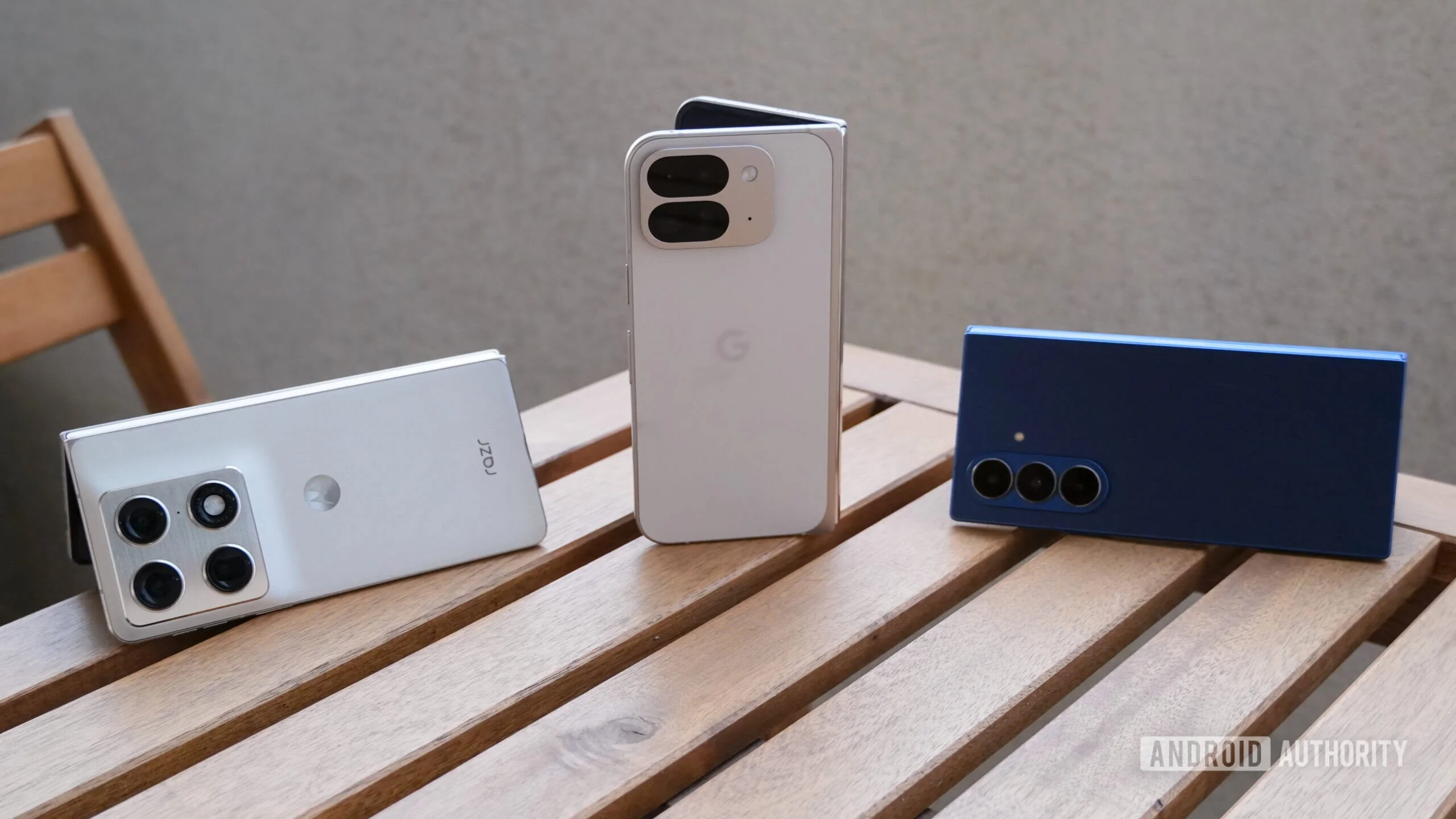
Motorola has initiated the rollout of Android 16 for the Razr 2023, bringing significant improvements to the device after a protracted wait. Users across various regions are beginning to receive the update, although, typical of Motorola's approach, availability may vary depending on carriers. The gradual rollout indicates that Motorola is taking a staggered approach to implementation, which can create a frustrating experience for those eager to upgrade. While large manufacturers like Samsung often rush major updates, Motorola appears more cautious, possibly to avoid widespread issues that can accompany a hastened rollout.
Update Details
According to Android Authority's Zac Kew-Denniss, the update has successfully arrived on his Razr 2023. The over-the-air package is approximately 2.21GB in size and carries the build number W1TZ36H.24-71. A file size of this magnitude isn’t unusual for a significant system update. It suggests a thorough overhaul rather than mere incremental tweaks. Motorola seems committed to ensuring that existing users remain satisfied with their purchase, especially after the buzz surrounding the Razr's unique folding design and capabilities—a crucial factor in an increasingly crowded smartphone market.
New Features
The Android 16 update introduces a refresh in design aesthetics along with enhanced security measures against malicious applications. These enhancements reflect a responsive approach to user feedback: as smartphones become more integrated into our daily lives, security concerns grow in importance. Enhanced visual design can attract users, but functionality takes precedence. Other noteworthy improvements include enhanced support for Bluetooth LE Audio, increased transparency concerning background activities, and the most current security updates. Features like LE Audio will allow users to experience better sound quality and more efficient battery life when using compatible devices. It’s a timely inclusion, especially in an era dominated by audio streaming and wireless headphones.
Security Enhancements
Security in mobile devices can easily be overlooked, but it’s a pillar of modern usage. The recent update aims to tackle vulnerabilities that threaten user data. Enhanced security measures often involve advanced encryption and better app vetting processes, ensuring that users can interact with third-party applications without severe risk. This is even more critical given the complex landscape of app development, where malicious software can sometimes evade detection. Motorola's emphasis on security reflects broader trends in the industry, where manufacturers are now prioritizing user safety while also showcasing these features as marketing points.
Bluetooth LE Audio Support
Bluetooth Low Energy (LE) Audio support is a notable upgrade in today’s connectivity-centric world. This technology promises lower latency and higher audio fidelity, which is a boon for audiophiles and everyday users alike. While many smartphone users tend to focus on camera specs or the latest gaming processors, improvements like this can significantly impact daily use. Bluetooth LE Audio also allows for features like multi-stream audio, meaning you can switch seamlessly between different audio streams. As you wrap your head around this, think about how many devices are in your home. Smart speakers, wireless earbuds, and more can all take advantage of this update, potentially leading to a better overall experience.
Implications for Motorola and Users
The rollout of Android 16 signifies more than just a software update; it’s a glimpse into Motorola’s commitment to keeping pace with industry demands and user expectations. In an ecosystem that's dominated by rapid innovation, users often feel stuck with “last year's tech” unless companies are proactive. As competitors continuously update features and improve user experience, staying relevant is vital. This is a promising sign for Motorola, signaling their intent to not only maintain their existing user base but also attract new users who may have been considering alternatives.
For you, the consumer, this means that if you're working in this space or considering the Razr 2023, the update reflects a broader trajectory where Motorola isn't just resting on past achievements. The enhancements included in this rollout suggest that Motorola is serious about carving out a profitable niche in the foldable smartphone market, where design and functionality must not only coexist but excel. Users should keep an eye on future updates; this isn't just about one rollout but setting the stage for ongoing improvements that can enhance your experience.
Future Outlook for Motorola and Android Updates
Looking ahead, one can't help but wonder how Motorola plans to sustain momentum beyond this update. Rapid advancements in mobile technology are reshaping user expectations and competitive standards. As 5G technology continues to expand and AI becomes more integrated into mobile experiences, Motorola’s decision-making process will need to reflect these shifts. If history is any guide, companies that adapt quickly often find themselves ahead of the curve. But. Can Motorola maintain that pace? The stakes are high; as newer models from competitors are unveiled, Motorola’s ability to capture fresh market interest will hinge on its ongoing dedication to regular updates and innovative features.
Now, whether this update is enough to sway undecided consumers remains to be seen, but it's a step in the right direction. Staying relevant requires sustained innovation, not just one-off updates. Companies need to engage in a dialogue with their users, incorporating feedback and evolving based on real-world use. Motorola's handling of this latest rollout might serve as a case study for other manufacturers grappling with similar challenges in an increasingly saturated market.