Reviving Flash Games: Swiff App Brings Nostalgia to Android Users
Rediscovering Flash Gaming
Ah, the golden days of Adobe Flash, a time that introduced countless browser-based games and vibrant animations. Many cherished titles like The Binding of Isaac and Epic Battle Fantasy stand out in this nostalgic era, and for those yearning to revisit these classics, there's now a modern solution. Flash games had a unique charm with their simple graphics, engaging gameplay, and the ability to play directly through a web browser without the need to download additional software. This made them incredibly accessible to a wide audience, from casual gamers to dedicated enthusiasts.
However, the discontinuation of Flash support at the end of 2020 marked the end of an era. This shift was largely due to security vulnerabilities associated with Flash and the rise of more secure frameworks. Popular browsers like Chrome and Firefox dropped support for Flash, effectively making many beloved games unplayable. This left a void for those who had fond memories of spending hours lost in these virtual worlds. As nostalgia became a powerful driving force for many, the search for alternatives to relive these experiences intensified.
Introducing Swiff
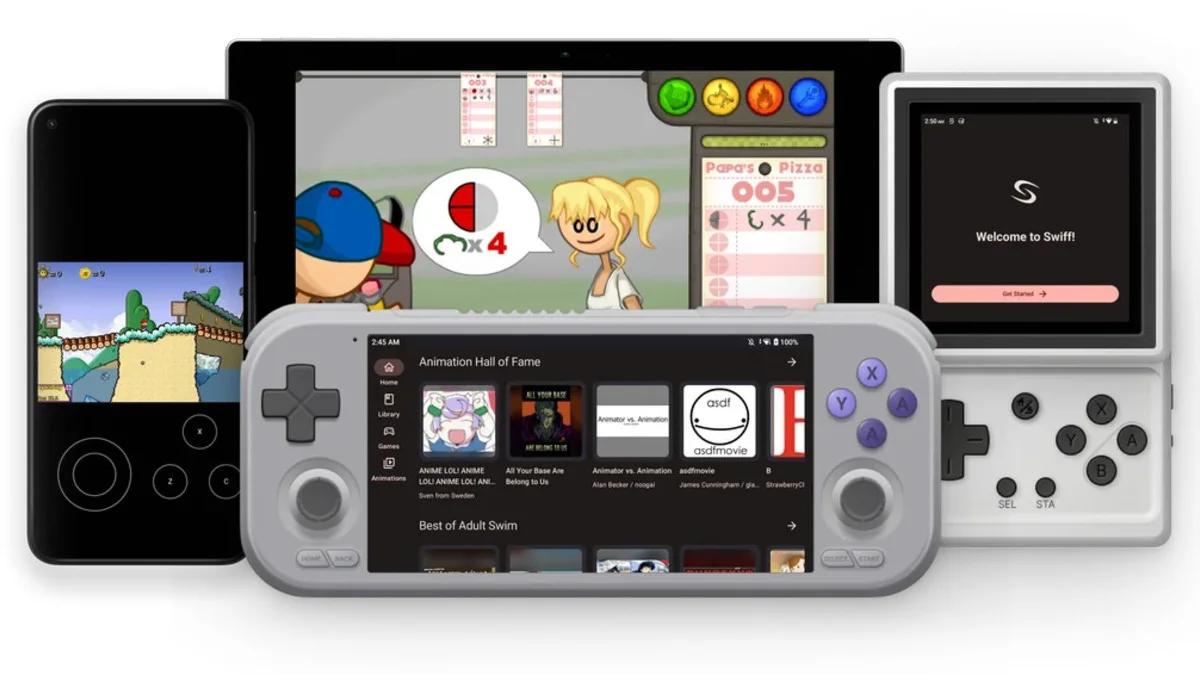
Developer NaviVani-dev has launched Swiff, an app tailored for Android devices that enables users to dive back into the world of Flash games. This app boasts support for more than 100,000 Flash titles and animations, thanks to its integration with the Flashpoint Archive. This archive serves as a digital vault for Flash content, preserving games and animations that would otherwise be lost to the annals of internet history.
The comeback of such an extensive library of Flash games is not just a pastime for nostalgic users; it’s a significant step in preserving digital culture. As the internet evolves, many early digital creations risk disappearing entirely, making tools like Swiff vital for the conservation of our creative heritage. Flashpoint, which acts as the backbone for Swiff, employs a dedicated team that methodically captures and curates Flash content, ensuring its availability for future generations. This effort highlights the importance of digital preservation in an age where technology rapidly shifts and older formats often fall by the wayside.
Features to Enhance Gameplay
Swiff isn't just about nostalgia; it also offers a user-friendly experience with options for keyboard, mouse, gamepad support, and on-screen controls. This makes reliving these classic games not only accessible but also enjoyable for a variety of gamers. For instance, the inclusion of gamepad support opens up the possibility for players who are accustomed to consoles rather than PC gaming. This could potentially expand the user base beyond those who grew up playing these games on a typical computer setup.
The app's design reflects a modern approach to user interface, making navigation intuitive even for those who may not be tech-savvy. While the aesthetic remains loyal to the original Flash designs, the responsiveness and integration of modern UI elements provide a smoother experience. And yet, the simplicity that characterized many Flash games is maintained. Players often find themselves reminiscing as they navigate through familiar challenges, and the reimagined controls enhance gameplay without sacrificing the essence of what made these games enjoyable.
Moreover, Swiff's compatibility with over 100,000 titles means there's something for everyone — whether you’re into platformers, shooters, or puzzles. The variety not only appeals to different gaming preferences but also fosters a sense of community among players. It'll be interesting to see how those communities evolve as players discuss strategies, share high scores, and reminisce about their experiences.
Implications of Swiff’s Arrival
The launch of Swiff could signal a revitalization of interest in Flash-based gaming. For many, revisiting these games is more than just a fun distraction; it’s a way to reconnect with a past era of digital innovation. Players often find that nostalgia enhances their gaming experience, influencing how they perceive mechanics, graphics, and sound design.
If you’re working in this space — whether as a developer, curator, or player — it’s worth considering what this resurgence means for the future of gaming. The bridge between old technology and modern gaming could inspire new developments in how we interact with past formats. This could lead to a wave of similar projects aimed at preserving other retro technologies, perhaps even influencing the implementation of preservation standards for formats that are currently at risk of obsolescence.
And here’s the kicker: Swiff’s development is not an isolated case. With ongoing discussions about the importance of digital archiving, other projects might emerge that focus on different aspects of gaming history. The success of Swiff may embolden developers to tackle even broader categories of gaming — including titles from other languages or platforms that have long been abandoned. The implication of Swiff’s success stretches well beyond just Flash gaming.
In summary, while Swiff taps into nostalgia, it also poses significant questions about digital preservation. As technology continues to advance, the lessons learned from this appreciation of past formats could inform the future of digital content. That's food for thought, isn't it?