Google's Pixel AI Transition Enhances Local Device Intelligence
Transforming Pixel Devices with Local AI
Google is moving towards a new era of in-device intelligence for its Pixel smartphones, prioritizing quicker performance by bypassing cloud processing. This shift promises enhanced user experiences with offline functionalities and improved privacy, as much of the data processing occurs directly on the device. By shifting the heavy lifting from cloud processing to local units, Google is addressing a long-standing concern in mobile technology: the dependency on a stable internet connection. For users in areas with poor connectivity or for those who simply want to avoid constant data transfer, this transition is particularly beneficial.
Importance of Local Processing
Local AI processing isn’t just a trend; it's part of a broader move towards more efficient and secure computing. The reliance on cloud computing has raised issues around data security and privacy, particularly as users become more aware of how their personal data is used. With increased scrutiny on data privacy regulations globally, companies are under pressure to handle sensitive information more responsibly. By processing data locally, Google not only mitigates privacy risks by minimizing the amount of data that leaves the device, but also enhances processing speed. Users will experience features that feel instantaneous, rather than waiting for cloud responses that could introduce latency.
Introducing Gemma 4 E2B for TPU
The flagship of this transition is the Gemma 4 E2B for TPU, a specialized, lightweight AI model designed for the Tensor Processing Unit embedded in Pixel devices. This new architecture is built to maximize the capabilities of the hardware specifically designed for AI tasks. With this update, applications can execute AI tasks locally, reducing reliance on remote servers. This means that even in the absence of internet connectivity, users can still access app features without compromising on security or speed. Such performance boosts aren't trivial — they could redefine how users interact with their devices by providing real-time, context-sensitive features that adapt to individual needs.
Exploring the Technical Foundation
The Gemma 4 E2B is optimized for lower power consumption while boosting processing speed, making local AI tasks not only fast but also energy-efficient. This is significant, as battery life remains a primary concern for smartphone users. Similar systems typically consume substantial amounts of battery when processing data solely from the cloud. In contrast, Google's TPU is built with machine learning in mind, capable of executing complex algorithms that lead to a more adaptive device. With machine learning applications growing ever more sophisticated, the implications for a purely localized model could mean that Pixel devices become indistinguishable from fully cloud-dependent ones in terms of performance.
New Capabilities in Pixel 10
The Pixel 10 exemplifies these advancements, introducing offline capabilities that cater to everyday needs. Users can now enjoy smart features like trip planning, recipe suggestions, and smart home controls, alongside Mobile Actions for hands-free interaction. Imagine being in the kitchen, wanting to know how to convert measurements for a recipe, and having your phone provide that information instantly — no internet required. These enhancements elevate the device's functionality, allowing a seamless user experience while prioritizing data privacy. Users can perform everyday tasks in environments where connectivity is unreliable, a feature that may seem minor but can be transformative for users who travel frequently or live in areas with limited network access.
The Competitive Landscape
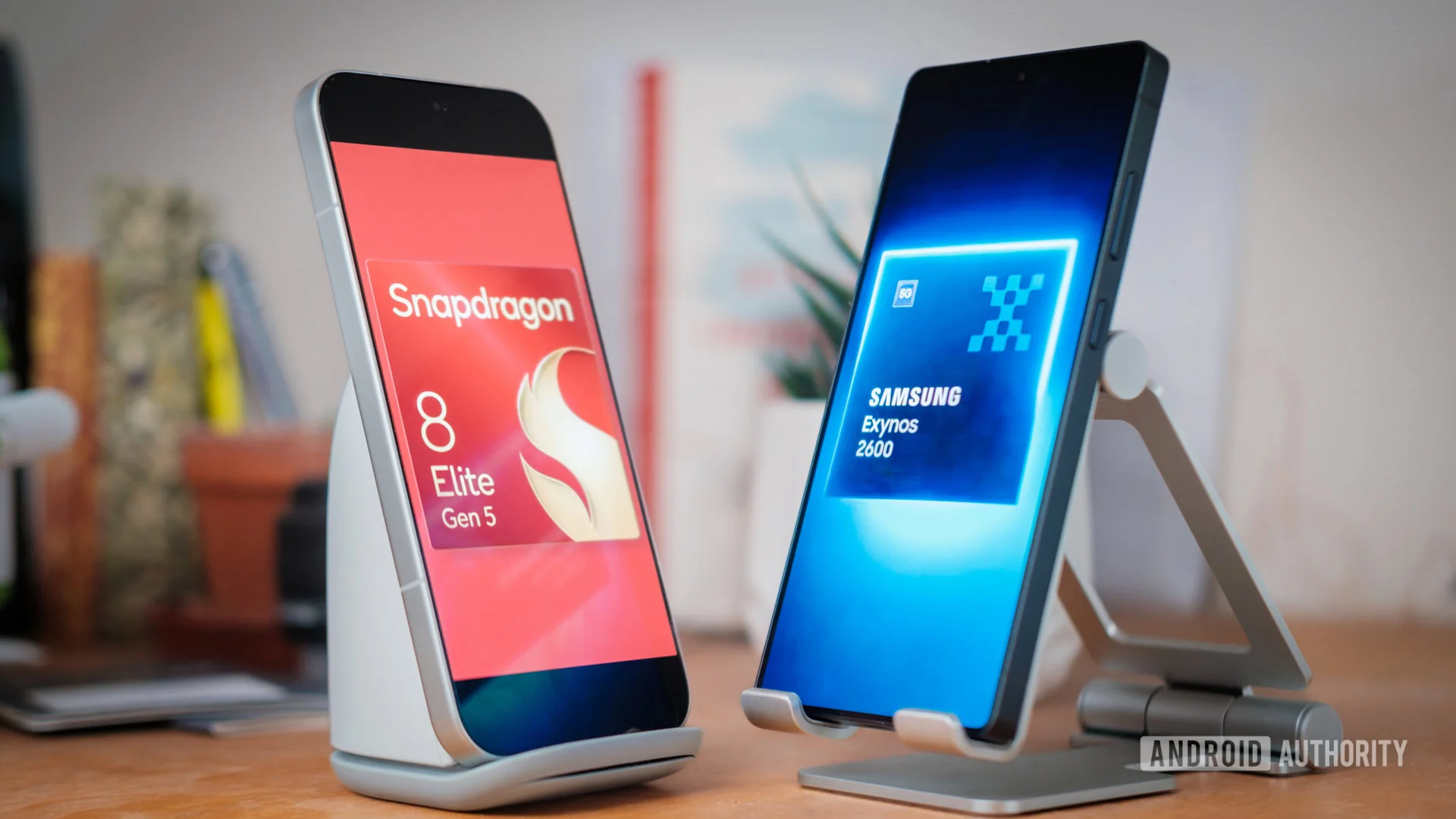
Google’s local AI processing endeavor puts it in direct competition with other major players in the smartphone industry. Companies like Apple and Samsung have been incorporating localized processing capabilities for some time, but Google’s approach to integrate such features deeply in their hardware could give it a leg up. Apple's Neural Engine and Samsung's Exynos AI capabilities illustrate a commitment to internal processing, but Google is taking the idea one step further by tailoring its software explicitly for the capabilities of the TPU. The race is not just about performance; it’s also about user trust. As data privacy concerns grow increasingly prevalent, the perception of a brand's dedication to user privacy could heavily influence market share. If you're working in this space, aware of user sentiment is just as vital as technological prowess.
Implications and Future Outlook
What this means for you is that Google is pushing the boundaries of what smartphones can do independently. The implications stretch beyond the immediate functionality of Pixel devices. Should local processing prove successful, it’s likely other manufacturers will follow suit, adjusting their designs and strategies accordingly. History shows that once a tech company sets a precedent, competitors often scramble to catch up. As users become more accustomed to working with robust, AI-enhanced features regardless of connectivity, their expectations of smartphone capabilities will grow. This paradigm shift could encourage developers to create more nuanced applications that serve users' immediate needs without deference to cloud capabilities. And as users push for privacy and control over data, such features may redefine what consumers consider essential in their next device upgrade.
Ultimately, local AI processing in smartphones isn’t just a technical advancement; it’s setting the stage for a more personalized, secure, and efficient mobile experience. The success of this initiative may hinge on how well Google can communicate these advantages to consumers while keeping pace with competitors. This is more significant than it looks at first glance; it could change not just Pixel devices, but the way we think about and use smartphones in our everyday lives.