OpenAI's Upcoming Smart Speaker: A Physical ChatGPT Companion for Your Home
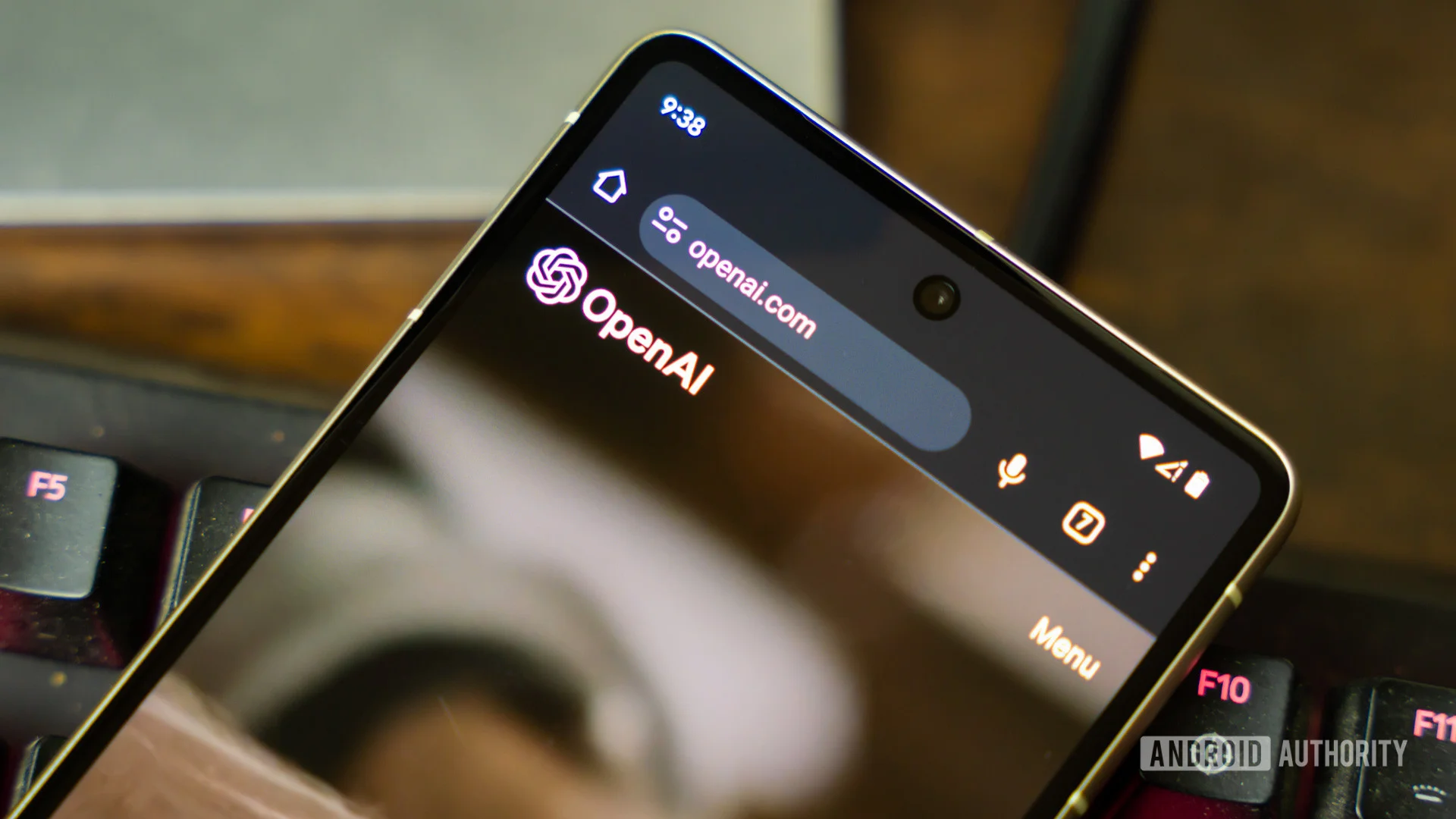
- OpenAI's first hardware could be a mobile, screenless smart speaker, essentially a physical embodiment of ChatGPT.
- The device may integrate sensors and cameras for a more personalized interaction.
- While expected to be unveiled this year, its release is tentatively slated for 2027.
OpenAI's Hardware Entry: A New Frontier
For quite some time now, OpenAI has been signaling its intention to diversify its portfolio by venturing into hardware development. Up until this point, it has mainly focused on software solutions, such as the popular ChatGPT, which has revolutionized how users engage with AI. It's nice to see them take this bold step—but whether they can pull it off remains questionable.
According to reports, the forthcoming device is set to take the form of a mobile, screenless smart speaker. Instead of relying on visuals, this hardware would serve as an interactive manifestation of ChatGPT, delivering information and companionship through audio. This presents intriguing opportunities. It could change how users interact with smart technology, emphasizing voice commands over traditional interfaces like screens or keyboards. However, similar products have faltered in the past. Just look at the challenges faced by the original Amazon Echo or Google Home systems; despite their initial excitement, they often left users wanting more.
The Role of AI in Redefining Smart Devices
What makes this potential smart speaker particularly compelling is its probable integration with advanced AI features. If the initial reports are accurate, this device would function as more than just a smart speaker. Utilizing sophisticated sensors and cameras, it aims to provide a personalized experience. Imagine an AI that not only responds to your queries but anticipates your needs and preferences based on previous interactions. That's more than just a tool; it could be seen as an AI companion, blurring the line between machine and human-like engagement.
However, the success of such features isn't guaranteed. Companies like Apple with its HomePod and even JBL and Sonos have explored similar concepts, but the market remains skeptical. Many consumers are accustomed to screens, associating them with control and information retrieval. Will people be ready to switch to a screenless model, asking questions rather than scrolling through data? In a sector swarming with innovations, this is a risky proposition.
Technical Insights: What This Device Might Include
The device is speculated to house an array of sensors and cameras to enrich user interaction. This suggests a design philosophy focused on experiential engagement. If OpenAI manages to pull off seamless voice recognition and context-aware interactions, the implications could be significant.
However, there are also potential pitfalls related to privacy and data security. Users might be hesitant to adopt a device equipped with cameras and always-on microphones in their homes, mindful of past controversies surrounding tech companies and user data. It's a delicate balance; while incorporating such technologies can enhance product capability, consumer trust could easily erode if these issues aren't addressed proactively.
The Release Timeline: A Cautious Approach
Unveiling the device this year sounds optimistic, but expectations suggest a more cautious approach with a potential release around 2027. If that timeline holds, it gives OpenAI ample time to refine both hardware and software elements. While this extended timeline might create buzz, it could also lead to diminished consumer excitement by the time the product actually launches.
In the tech world, timing is everything. The market is packed with smart devices vying for attention, and trends can shift quickly. A long development phase risks the chance of arriving too late, facing fierce competition from companies that will undoubtedly make strides in this area over the next few years.
Comparative Cases: Lessons from Competition
Looking back, the tech industry is littered with examples of companies that have stumbled when making a foray into hardware. Google has faced mixed results with its various hardware initiatives, such as the Nest and Pixel lines. Their struggle to establish a unique identity in the crowded smart home market raises questions about OpenAI's approach. Is there enough differentiation in their offering to stand out?
Then there's Amazon, which has managed to remain dominant in the smart speaker space, but not without overcoming significant hurdles. Its early Echo devices required relentless iteration and updates to meet user expectations. If OpenAI hopes to carve out a niche for itself, it will need to learn from these giants: how they navigated both technical challenges and consumer hesitance.
Future Implications: What This Means for the Tech Market
As OpenAI prepares to enter the hardware race, the implications for the AI market could be enormous. This endeavor could set a precedent for how AI is personified in everyday life and how users choose to engage with technological companions. If the device successfully leverages its AI capabilities, it could reshape expectations for intelligent systems in home environments.
What this means for you, the reader, is that the future of smart home technologies may soon look very different. If you're working in this space, keep an eye on OpenAI's developments. Their success or failure may redefine the standards for AI interaction.
The bottom line: There's potential here, but substantial risks too. Companies have tried before to introduce human-like assistants, with varying degrees of success. OpenAI has a reputation to uphold, and entering the hardware arena will require careful navigation of both user expectations and ethical considerations.
What's next? Only time will tell, but for now, the world waits to see how OpenAI will translate its software prowess into tangible hardware offerings. The road ahead won't be easy, but it promises to be fascinating.