Celebrating Sir Alex Younger: A Leader Who Emphasized Collaboration and Learning
There are certain individuals whose presence and influence dramatically shape those around them. Sir Alex Younger was undeniably one of those figures.
The Encounter That Shaped Perspectives
My encounter with him coincided with his departure from MI6 in 2020, a pivotal moment as I navigated my way to London amid Covid restrictions. In a city that felt like a ghost town, I faced various challenges that seemed insurmountable. When I expressed my concerns about potential issues I could face, his response—“It is always better to ask for forgiveness than seek permission”—instantly marked him as someone whose outlook I could appreciate. This particular mindset, often associated with agile leaders, underscores the importance of taking decisive action, especially in high-stakes environments.
My goal was clear: I sought to invite him to join the board of directors at Recorded Future. That meant overcoming various hurdles associated with corporate governance and compliance, which can be daunting in traditional business settings. Sir Alex’s arrival was not just a personal win; it was a strategic decision to infuse our board with exceptional insight and experience, aiming ultimately to bolster our competitive edge.
First Impressions and Insights
During his first Recorded Future board meeting in New York, Sir Alex greeted everyone with his characteristic smile, humorously stating he had overseen the world's leading intelligence agency. This kind of humor is disarming but also indicative of his confidence and approachability. His body of work reflected how exceptional individuals, skills, and experiences can triumph over sheer scale. Boardrooms often suffer from an echo chamber effect, and our ambition was straightforward: learn from someone who truly understood the nuances of intelligence.
I admit, I initially assumed that his expertise would exclude the technical aspects of Recorded Future’s SIGINT-like frameworks. Yet, during our discussions on "connecting dots," he shifted the narrative. “It is not about connecting dots; it is about connecting entire collections,” he highlighted. This point wasn’t just semantic; it played a critical role in shaping our Intelligence Graph®. His insight reminded me that in complex scenarios, it’s the depth of connections that adds value, and not just the number of items linked. This realization humbled me and underscored the importance of not underestimating insights from experienced leaders—sometimes, the most profound ideas emerge from the simplest observations.
A Fresh Perspective on Learning
Despite the depth of his experience, Sir Alex was not hesitant to ask fundamental questions. Transitioning from public service to a corporate environment is inherently challenging, and he approached the concept of revenue from a fresh perspective. Unlike many senior executives who might shy away from admitting gaps in knowledge, Alex candidly inquired about terms like ARR and annualized revenue. This eagerness to understand financial constructs demonstrates a true commitment to growth, devoid of ego.
(And this is the part most people overlook.) His willingness to learn from others, regardless of their rank, is a trait rarely seen among leaders, especially those with illustrious careers. In an age where expertise can lead to complacency, his humility stands out prominently.
The Importance of Unity and Collaboration
He embodied a moral clarity that focused on unity, steering clear of adversarial dichotomies. Instead of a simplistic "you’re either with us or against us" stance, he believed in cultivating alliances grounded in shared values. This governance by consensus is vital in today’s complex world, asserting that teamwork was the West’s distinctive advantage, built on trust that adversaries simply cannot replicate. The implications of this perspective are vast, especially as companies navigate geopolitical tensions and market disruptions today.
At the 2023 Recorded Future Predict conference, his insightful remarks struck a chord with the audience. Quoting Milton Friedman, “No individual can make a pencil alone,” he reinforced the essence of collaboration as our strongest weapon against adversaries, earning a well-deserved round of applause. This notion of interconnectedness is becoming increasingly relevant as organizations grapple with fragmented markets and the need for cohesive strategies.
Enduring Legacy and Personal Connections
In recent months, I've found myself relying on Alex’s support for various initiatives, at times questioning if I had asked too much of him. His briefings, particularly one on Iran attended by thousands of Recorded Future clients, were delivered with captivating energy and intellect. Here’s the thing: his approach not only educated but inspired an audience eager for clarity in uncertain times. On a personal note, I had the privilege of requesting his assistance with a personal project—an ask that seemed hefty given his situation, yet he handled it with grace.
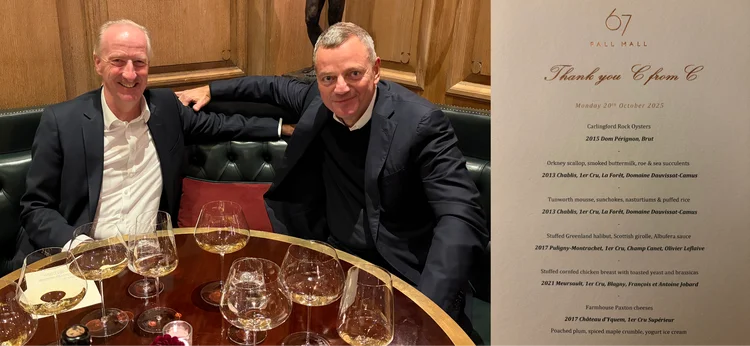
A memorable moment occurred six months ago when I invited him to dinner during his treatment. We indulged in exquisite cuisine and even better wine. Arriving early, I cautioned the restaurant staff, “He may eat and drink a little, please do not make a fuss.” However, Sir Alex approached the meal with his trademark zeal, claiming that the treatment left him famished. His fighting spirit shone brightly through his resilience. It's rare to encounter someone who, despite facing personal adversity, chooses to meet life's pleasures head-on.
Looking Ahead: The Legacy of Leadership
As we raise a toast to Sir Alex Younger, I join my Recorded Future colleagues in sending thoughts to Sarah and their family. His leadership style and care for collaboration are needed now more than ever. I have no doubt he would encourage us to confront challenges head-on and foster even stronger partnerships. What this means for you, particularly if you're working in this space, is clear: leadership should be less about authority and more about the relationships you cultivate. The world may be changing, but the principles of trust and unity remain timeless.