Scam Alert: Fraudulent Permit Fees Target Property Owners with Deceptive Invoices
A concerning trend is emerging in the world of fraud, where scammers are impersonating municipal planning departments to extract money from unsuspecting property owners. These criminals create authentic-looking invoices for non-existent permit fees, demanding immediate payment via wire transfer or cryptocurrency under the threat of project delays. This tactic is incredibly effective as it bypasses many traditional fraud detection measures. The alarming part? Many property owners are unaware they're being targeted until it’s too late, leading to substantial financial losses and headaches that can take months to resolve.
FBI Warning Highlights Growing Threat
On March 9, 2026, the FBI's Internet Crime Complaint Center issued a stark warning regarding this quickly proliferating scheme that has resulted in significant financial losses. According to the 2025 Internet Crime Report, government impersonation scams like these have surged, with reported losses nearing $798 million—almost double from the previous year. This rise reflects not only the sophistication of such schemes but also the vulnerability within existing payment systems. While the FBI's alert raises awareness among the public, it lacks actionable advice for payment processors grappling with the increased risk that these scams entail. Many of these institutions may be ill-prepared to handle the nuances of this type of fraud and could benefit from more tailored guidance.
Understanding the Mechanics of the Scam
In this operation, the fraudsters utilize publicly available information to target property owners who have active planning or zoning applications. Here's how they execute their scheme:
- Target identification: Scammers sift through public records to find property owners likely to engage with municipal authorities. By focusing on those who recently submitted applications, they can strike while the victims are most vulnerable.
- Impersonation: They craft emails that mimic official communications from local planning departments, using real permit and property details to lend authenticity. The attention to detail is disturbing; the emails often include logos, formatting, and even language typical of government correspondence.
- Invoice generation: The scammers send an official invoice, misleading victims into believing it's a valid charge. This could easily fool someone who’s already stressed about their ongoing application.
- Urgency tactics: Victims are pressured with deadlines for payment, often coupled with threats that failure to comply will jeopardize their applications. This psychological pressure is a classic tactic in fraud, making it difficult for victims to pause and question the legitimacy of the request.
- Payment confirmation: They demand receipts as proof of the transaction, making it easier to authenticate their fraudulent activities. This additional layer of legitimacy can disarm even cautious individuals.
Why Fraudulent Transfers Go Undetected
The real issue lies in how these transactions are processed. When a customer initiates the payment voluntarily and the activity appears normal, traditional fraud detection systems often misclassify these transactions as low-risk. The problem isn't with the sender; rather, it stems from the characteristics of the destination account—the mule account that cashes out the illicit proceeds. These accounts are often set up to withstand scrutiny, making them difficult for automated systems to spot as suspicious. In essence, the systems designed to protect consumers are failing to keep pace with how fraudsters exploit their weaknesses.
Engagement Insights: A Deeper Analysis
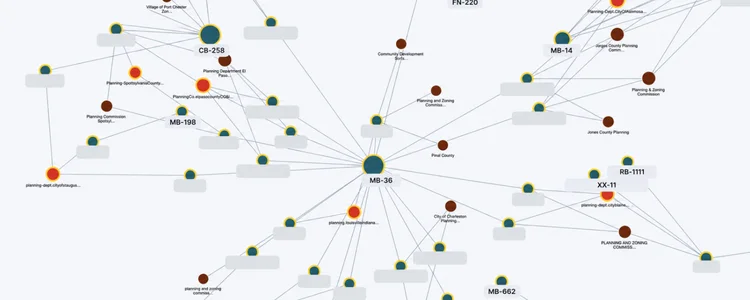
Research from CYBERA examined a specific operation, dubbed "Diligent Planner," which has been under scrutiny since September 2025. Instead of relying solely on statistical risk assessment, CYBERA's analysts have directly interacted with these scammers, obtaining the actual beneficiary accounts used in fraudulent transactions. This engagement produced 53 confirmed mule accounts across 23 campaigns, revealing that more than half of these accounts were linked to just two banks. This data-driven approach offers a clear advantage, allowing for proactive measures rather than reactive responses. It represents a shift in strategy that could prove invaluable in combating fraud going forward.
Implications and Future Outlook
As the sophistication of scams like this increases, it isn’t just property owners who need to be wary; payment processors and financial institutions must rethink their fraud detection strategies. Existing systems often lack the depth needed to identify nuanced fraud patterns that blend seamlessly with legitimate transactions. If you're working in this space, there's a pressing need for innovation and adaptation.
The clearance of mule accounts, which are often set up to impersonate legitimate businesses, may require collaboration between banks and regulatory bodies. Here’s the thing: institutions that fail to adapt will remain vulnerable to similar frauds, risking substantial financial and reputational damage. With advancements in technology, it’s possible we could see more dynamic fraud prevention measures emerge, but for now, both consumers and financial entities are on the defensive.
In the end, the responsibility to combat these scams falls on multiple stakeholders—government institutions, banks, and the victims themselves. Proactive education for property owners is essential. This threat is more significant than it looks, and the damage inflicted can echo far beyond the initial loss.