Choosing Practical Over Premium: My Shift from iPhone 15 Pro to iPhone 16
For years, I’ve predominantly opted for the “Pro” models in Apple's lineup, consistently gravitating towards the highest specifications. My previous experience encompassed the MacBook Pro, Apple Watch Ultra, and even the AirPods Pro—if it had a “Pro” label, it made its way into my collection.
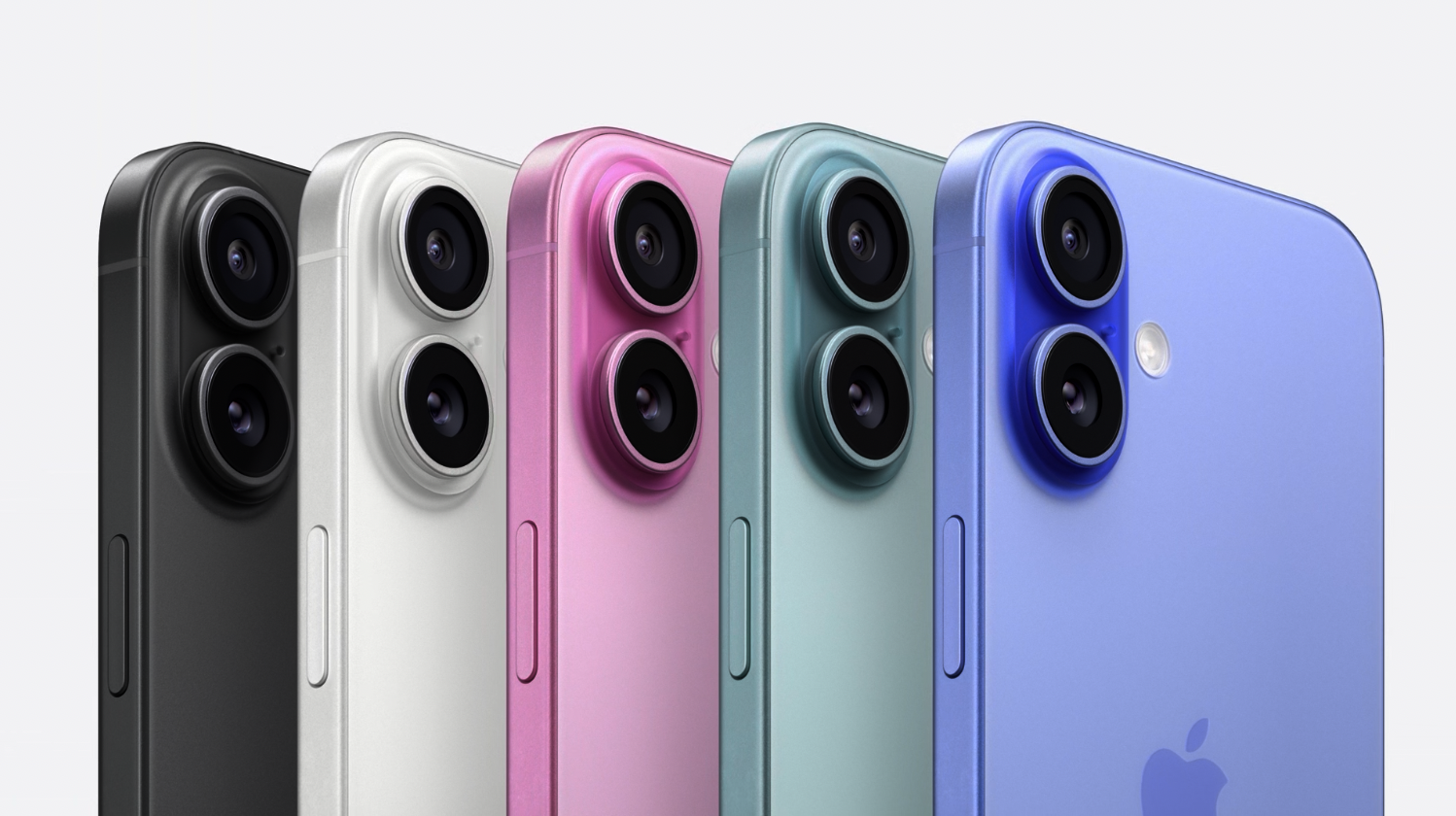
However, a noticeable shift in Apple's product strategy has emerged, as the standard versions are increasingly adopting features once exclusive to their Pro counterparts. The new iPhone 16 lineup exemplifies this trend, compelling me to reconsider my status as a “Pro” user.
Downgrading in Name Only
After reviewing the newly announced features of the iPhone 16—like Apple Intelligence, the Camera Capture button, the Action Button, and enhanced camera functions—I came to realize that specifications offered in the iPhone 16 Pro, such as Pro Motion and the Always On display, aren’t functions that justify their additional $200 cost for my use case. It raises the question of what “Pro” really means in a market where even basic models are getting sprinkled with high-end features.
The standard iPhone 16 resonates with me; for one, I've found that aluminum is far more resistant to smudges than the titanium of my iPhone 15 Pro. Case in point: Titanium looks sleek but can quickly become a chore to maintain. As someone who's practical about device upkeep, I appreciate a finish that keeps my phone looking clean with a little effort. The lighter, smaller form factor also brings back fond memories of my iPhone 13 mini, which I found delightfully easy to handle. As someone who doesn't engage deeply with photography or videography, I find little need for the advanced camera functionalities that the iPhone 16 Pro boasts. That's especially true given that it’s the photographic capabilities of smartphones that tend to get the most press, yet many users, like me, prioritize usability over technical specifications.
Making this switch feels more like an upgrade than a downgrade. My choice to transition from a Pro iPhone to a standard model aligns closely with my actual usage needs, making the shift both economical and less fraught with anxiety over potential damage. It’s an example of prioritizing necessity over luxury, a realization that some may find hard to accept, especially those who've long identified with the “Pro” label.
This reconsideration doesn’t stop at the iPhone; I'm also weighing the move from the Apple Watch Ultra 2 to the Apple Watch Series 10. The Series 10 offers almost all the features that matter to me while coming in at a lighter and more economical price point. That’s the crux of the matter—why pay more for features I won’t genuinely use? The Series 10 covers the essentials; notifications, fitness tracking, and stylish design—everything I want from a smartwatch, just at a more sensible price.
As of next week, it’s plausible that the only “Pro” product I keep will be my AirPods Pro. Despite the introduction of AirPods 4, the noise cancellation in the Pro variant is still superior—an essential feature for me when traveling. Even with Apple's new products, it seems the "Pro" line remains unique in this respect. Sometimes you just can't compromise when it comes to noise control in a world filled with distractions.
Ultimately, this transition symbolizes an acceptance that I no longer fit the mold of a Pro user, and that realization is perfectly fine. Sometimes, downsizing can lead to a more enjoyable experience. If you're working in this space or simply thinking about your next upgrade, take a moment to assess what features you genuinely need versus what’s merely on the checklist of “high-end” functionality.
Implications for Future Purchases
This shift in product offerings does pose some intriguing questions about the future of Apple's strategy. Are we witnessing the dilution of the "Pro" brand? With standard devices gaining Pro-like capabilities, what's left for premium models to offer? As consumers become increasingly discerning, they might prioritize value over brand prestige. And this is the part most people overlook: the essence of ‘premium’ can become muddied when everyone’s carrying devices with similar high-end features. It’ll be interesting to see how this impacts not only Apple’s sales but also consumer perception.
The challenge for Apple will be maintaining the allure of the “Pro” designation while continuing to enhance standard models. If users like myself are increasingly content to opt for more affordable options, the company might need to rethink how they position their Pro line in the market. Keeping an eye on user trends will be vital for remaining competitive. The question isn’t just how much consumers are willing to spend, but how they define value when it comes to technology.
With ongoing innovations becoming available across all models, it's likely the future of the Pro line will need to adapt. Will additional differentiation emerge to justify previous price premiums? Or will Apple follow a path similar to other tech companies, where mid-range products continually encroach on the territory of premium offerings? In the end, it might not just be about what users want, but how they choose to rationalize their decisions in an increasingly crowded market.
Stay updated with all the announcements from Apple's iPhone 16 event happening live. Explore details on the iPhone 16, iPhone 16 Pro, iPhone 16 Pro Max, and Apple Watch X.