HTC's Vive Eagle Smart Glasses: A Strong Contender for AI-Powered Wearables
HTC's New Venture into Smart Glasses
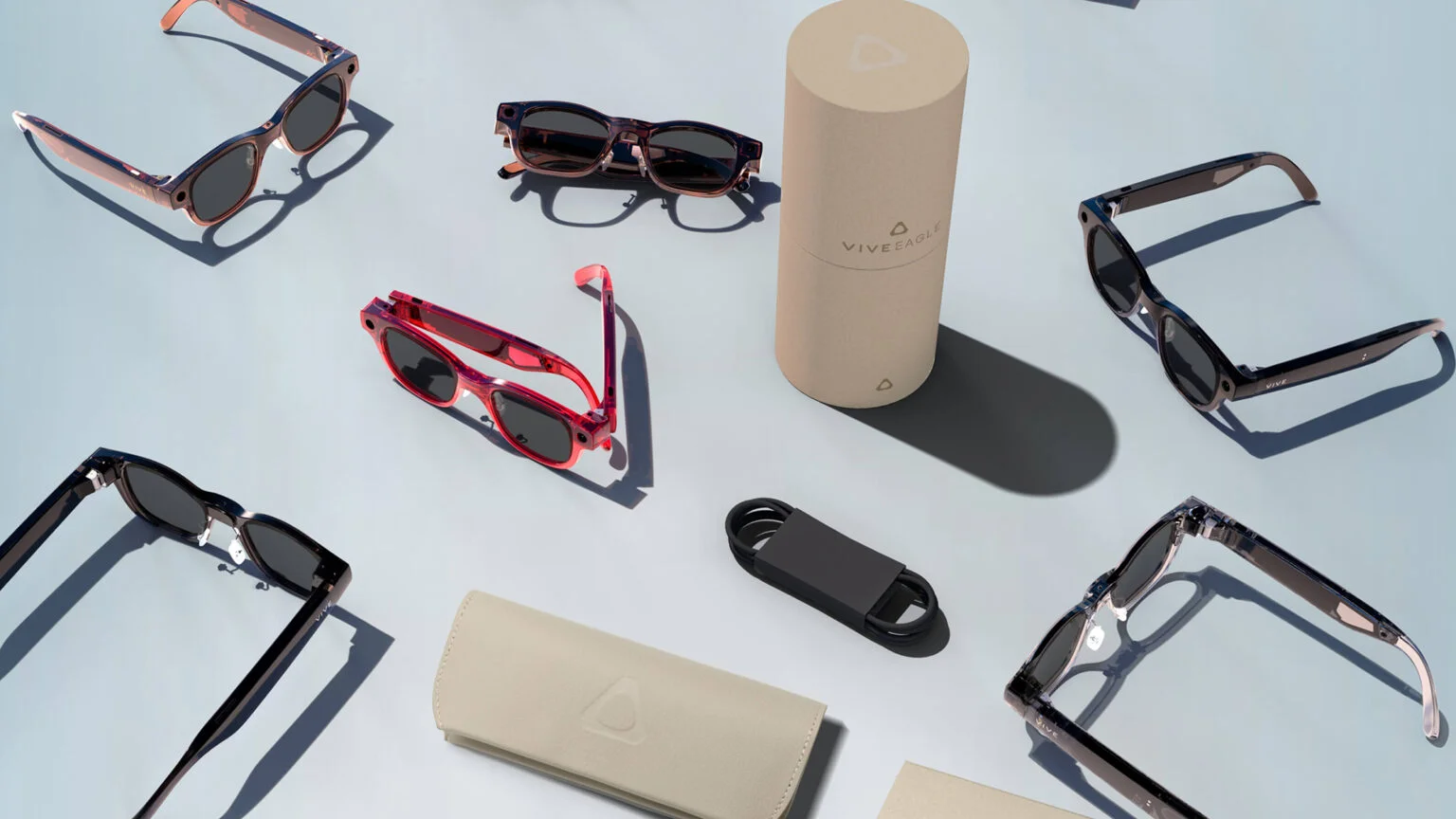
HTC is making a notable entry into the smart glasses sector with the upcoming launch of its Vive Eagle AI glasses in the US. Set to be available on September 1, 2026, the device aims to challenge competitors, particularly the Ray-Ban Meta series. This reflects HTC's strategic pivot from its traditional strengths in virtual reality hardware towards the expanding market of wearable technology.
Historically, HTC has been known for its high-quality VR headsets, most notably the Vive series, which gained a significant following in the gaming community and among developers. However, the evolution of consumer electronics has seen a shift towards more portable and multifunctional devices. Smart glasses represent a new frontier that combines augmented reality with practical everyday functions. Companies like Google and Facebook have previously stumbled with their iterations in this space, but HTC appears to be taking notes ahead of their launch.
Price Point and Feature Comparison
The glasses will retail for $499, positioning them at a premium level compared to the entry-level Ray-Ban Meta, which sells for $299. This pricing strategy notably highlights their advanced features, such as live translation in 13 languages, voice-triggered photo capture, and hands-free note-taking capabilities. Such functionalities are increasingly appealing in our globally connected society, where communication barriers regularly arise.
When considering competitors, one must look beyond price. The early entry of Ray-Ban Meta has familiarized users with smart glasses through a more accessible price point, but this has also diverted potential buyers from considering premium devices. HTC's pricing suggests it offers more advanced technology, which raises the question: are users willing to pay the extra for additional functionality? How many people are looking for an elaborate translation feature versus simply sporting a more rudimentary experience? Moreover, the marketplace dynamics illustrate a broader narrative — companies are betting on smart glasses as the next cornerstone of daily tech. If HTC successfully touts superior features and an engaging user experience, their glasses could sway users who initially gravitated towards the lower-tier options.
Design and Usability
HTC offers a selection of configurations, including round or square frames and various lens options, ensuring personalization for users. The focus on customization is likely a strategic move; personal aesthetics are vital for adoption in wearable tech. Consumers enjoy expressing their individuality, and getting the design right often results in improved user engagement.
Surprisingly light at just 48.8 grams, the glasses aim to combine functionality with comfort, appealing to both tech enthusiasts and everyday users alike. Weight is a critical factor in the adoption of wearables. Too heavy, and users will find them cumbersome; too light, and they’ll question durability. HTC’s engineers seem to have struck a balance that caters to the concerns of potential customers who want stylish yet functional wearable tech.
Moreover, the usability of smart glasses in everyday contexts can’t be overlooked. For instance, live translation features might appeal to travelers or business professionals engaged in international relations. In contrast, features like hands-free note-taking could resonate with students and professionals alike. HTC seems to be positioning itself as a bridge between various user demographics, aiming for broad appeal across different user bases.
Market Implications and the Future of Smart Glasses
The emergence of the Vive Eagle glasses is emblematic of the larger trend towards integrating technology into everyday life in a streamlined fashion. This is more significant than it looks, as it reflects consumer preferences turning towards functionality that enhances daily activities rather than hinder them. The implications for the tech industry could be vast if successful adoption occurs; manufacturers might pivot even more aggressively toward wearables. This, in turn, raises the stakes for companies like Google and Apple, both of which have long been rumored to be developing their own smart glasses.
There’s an ever-pressing question: is the market ready for a product like this? Previous smart glasses attempts have been met with skepticism, with consumers often contemplating the practical applications of the technology against price and usability concerns. After all, when Google Glass was introduced, it sparked much controversy and pushback, largely due to privacy concerns and its awkward design.
(and this is the part most people overlook) The way companies communicate and position their products will matter greatly as this category of tech continues to evolve. HTC may need to ensure it's not merely selling a product but rather an integrated lifestyle choice to appeal to hesitant consumers. They must also consider how to mitigate consumer apprehensions regarding privacy — a lingering concern that has dampened enthusiasm for similar products in the past.
Conclusion: A Defining Moment for HTC?
The HTC Vive Eagle AI glasses have a lot to prove. The combination of functionality, design, and price will be essential in determining their success. If HTC successfully navigates these challenges, it may usher in a new relevant chapter not just for itself, but for the smart glasses market at large. So, if you’re working in this space, pay attention: how HTC manages this launch could set the tone for future experiences in augmented reality and wearables.