Google's July System Update Enhances Play Store and Wear OS Experience
Google has started distributing its July 2026 System update, introducing noteworthy enhancements across several platforms, including the Play Store and Wear OS. This update aims to enrich the Android experience through various improvements delivered via Google Play services.
Enhanced Play Store Experience
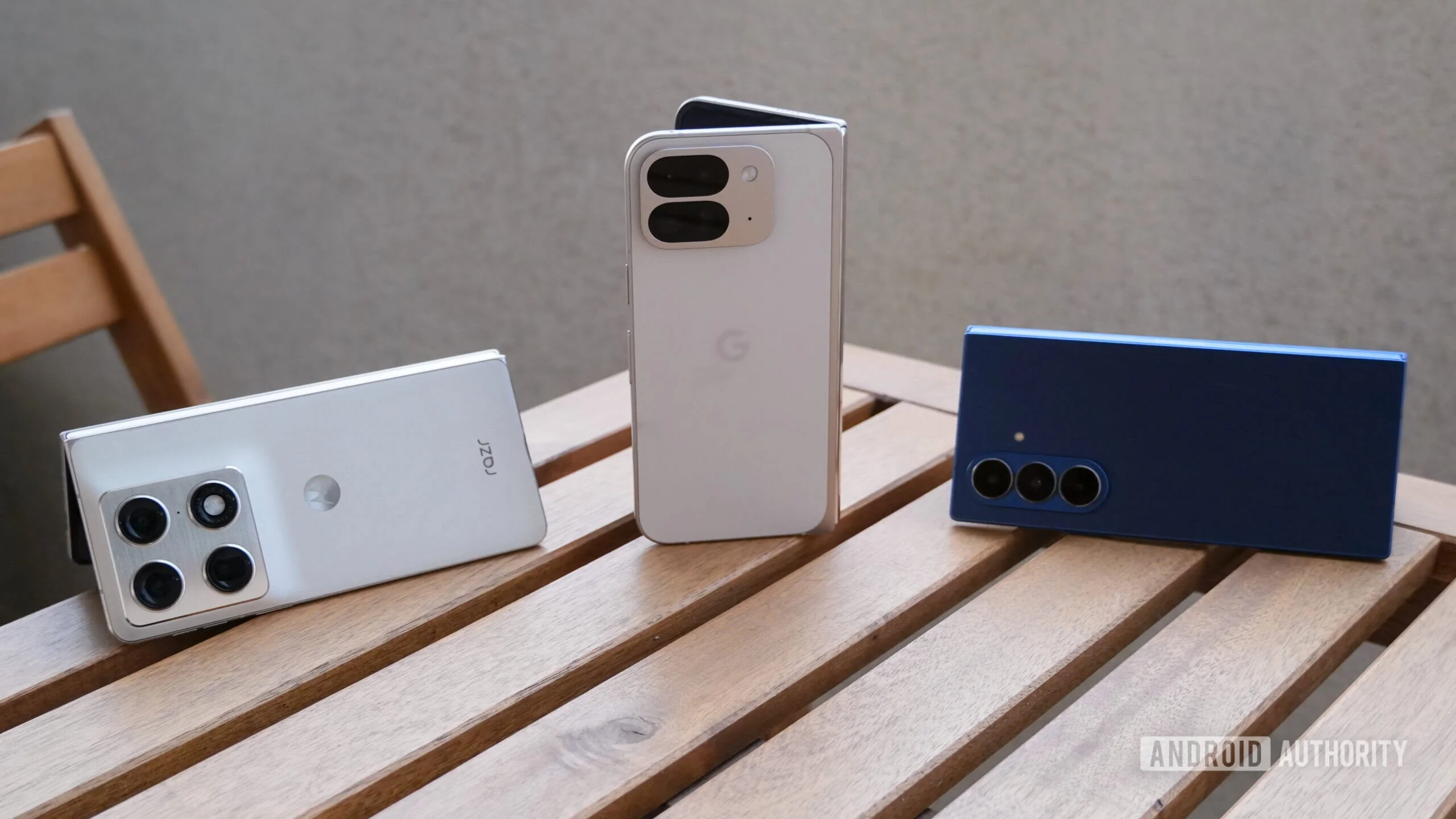
For users with foldable devices or Android tablets, the Google Play Store is set to utilize larger screens more effectively. According to Google citing the update, the layout will now display more content simultaneously, reducing unnecessary scrolling and optimizing the browsing experience for apps and games.
This enhancement is particularly significant given the growing market share of foldable devices and tablets, which offer larger displays compared to traditional smartphones. Users are gravitating towards these devices not just for browsing, but also for multitasking purposes. Therefore, a Play Store experience that capitalizes on larger screens isn't just user-friendly; it aligns well with the modern user's needs. It's about time that the app ecosystem addresses these demands more closely. In fact, ignoring this shift could lead to disengagement, as users may favor platforms that provide a more intuitive browsing experience.
Wear OS and Maps Updates
Wear OS is benefiting from features like work profile transfers, further supporting productivity on smartwatches. Additionally, updates in Maps and developer tools are expected to gradually improve overall Android functionality, enhancing app interactions and navigation effectiveness.
The ongoing push to incorporate work profile features into Wear OS showcases Google's commitment to improving user productivity on wearable technology. Beyond the basics of timekeeping and notifications, wearables are increasingly seen as productivity tools that can integrate seamlessly with mobile devices. Adding the capability for work profile transfers means users can easily switch contexts, whether they’re at work or off the clock, without needing to fiddle with multiple setups.
With Apple's growing focus on its WatchOS ecosystem, Google has no choice but to step up. Although Wear OS is improving, it still trails Apple's robust ecosystem. That's not just a battle for users; it's a fight for developers, too. A more productive Wear OS could entice app creators to innovate specifically for smartwatches, thus expanding the ecosystem and user engagement. If you're working in this space, these updates are more than just patches; they signal a shift towards a more integrated wearable future.
On the other hand, let's talk about the updates in Maps. The introduction of better developer tools means that third-party applications can also enhance their mapping functionalities. This could create a ripple effect throughout the Android ecosystem, encouraging developers to build more interactive and location-aware apps. As mobile navigation becomes increasingly critical for various applications—think travel, delivery, and local services—having a solid mapping foundation is incredibly important.
Implications for Users and Developers
The implications of these updates extend well beyond mere user interface improvements; they also impact how developers approach Android application design and functionality. By enhancing the Play Store experience and making Wear OS more productive, Google is incentivizing developers to create applications that are optimized for larger displays and work-oriented tasks. This could lead to a more vibrant app ecosystem that caters to the needs of users who rely on both their mobile devices and wearables for diverse purposes.
For users, the immediate benefits mean a streamlined way to browse for apps and manage tasks. Greater efficiency in navigating the Play Store could lead to increased app discovery, making it easier to find the tools that fit their needs. Likewise, advancements in Wear OS and mapping capabilities allow users to adopt a more integrated approach to technology. Wearables aren't just accessories anymore; they are becoming essential tools for productivity and navigation. This is more significant than it looks. The ease of access to these updates makes it likely that they'll be adopted quickly, ultimately enhancing user satisfaction.
Yet, there's an important aspect to consider: will these changes be enough to retain users and developers? Improving the existing experience is pivotal, but it may not address deeper-rooted concerns users have about performance, security, and app quality. Google needs to ensure that broader improvements in its backend services also accompany these updates. If shortcomings persist, the latest features could be underutilized, leading to dissonance between user expectations and actual experience. (And this is the part most people overlook.)
Overall, the July 2026 System update reflects Google's effort to stay competitive in an increasingly crowded market. While some of these features might seem incremental, they’re part of a larger strategy aimed at solidifying Android's position as a leading mobile operating system. Whether Google can keep up with the pace of innovation from competitors will depend not just on updates like these but also on its ability to listen to user feedback and continuously evolve.