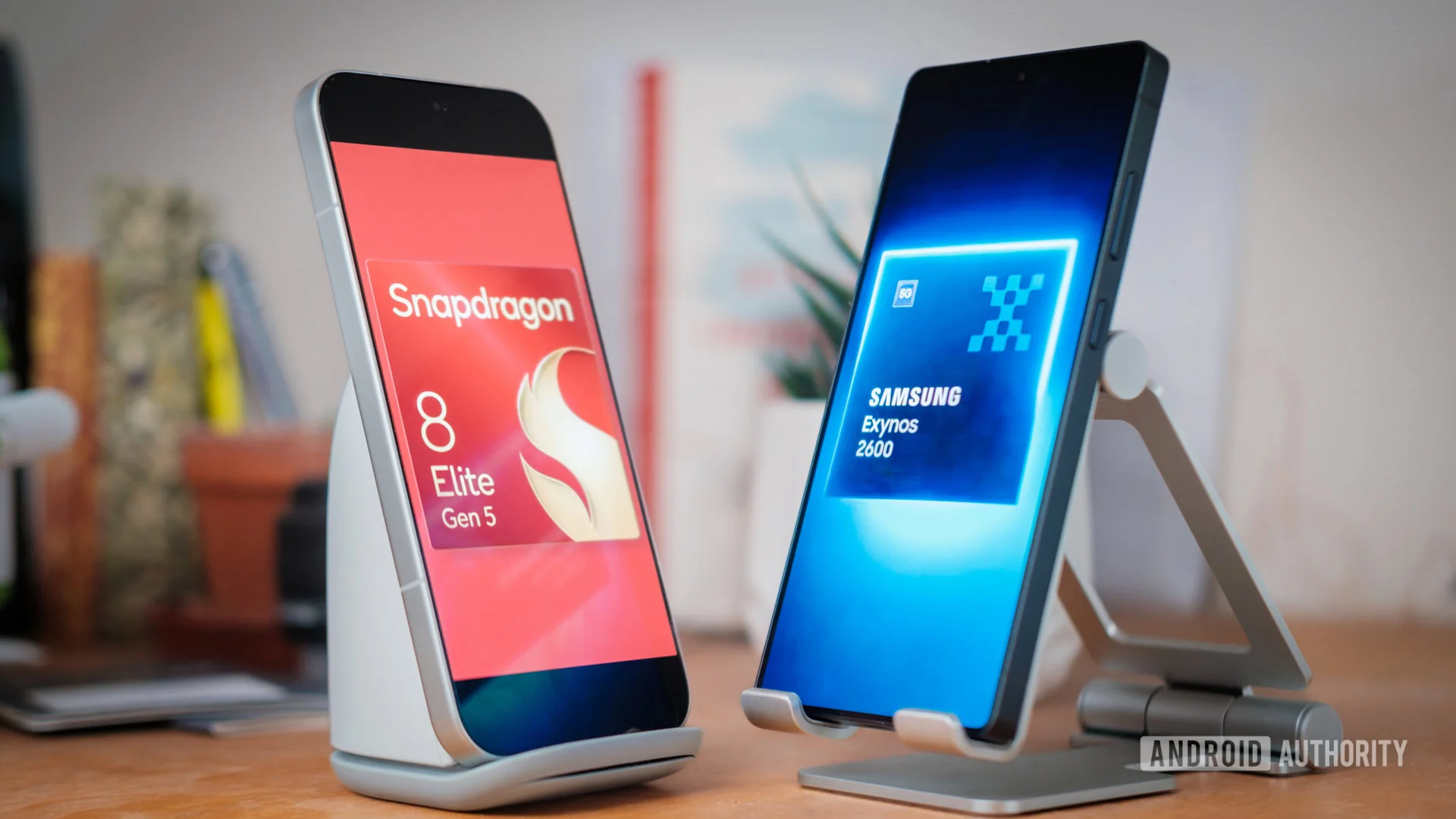
Samsung Adjusts Storage Upgrade Offers Ahead of Galaxy Unpacked
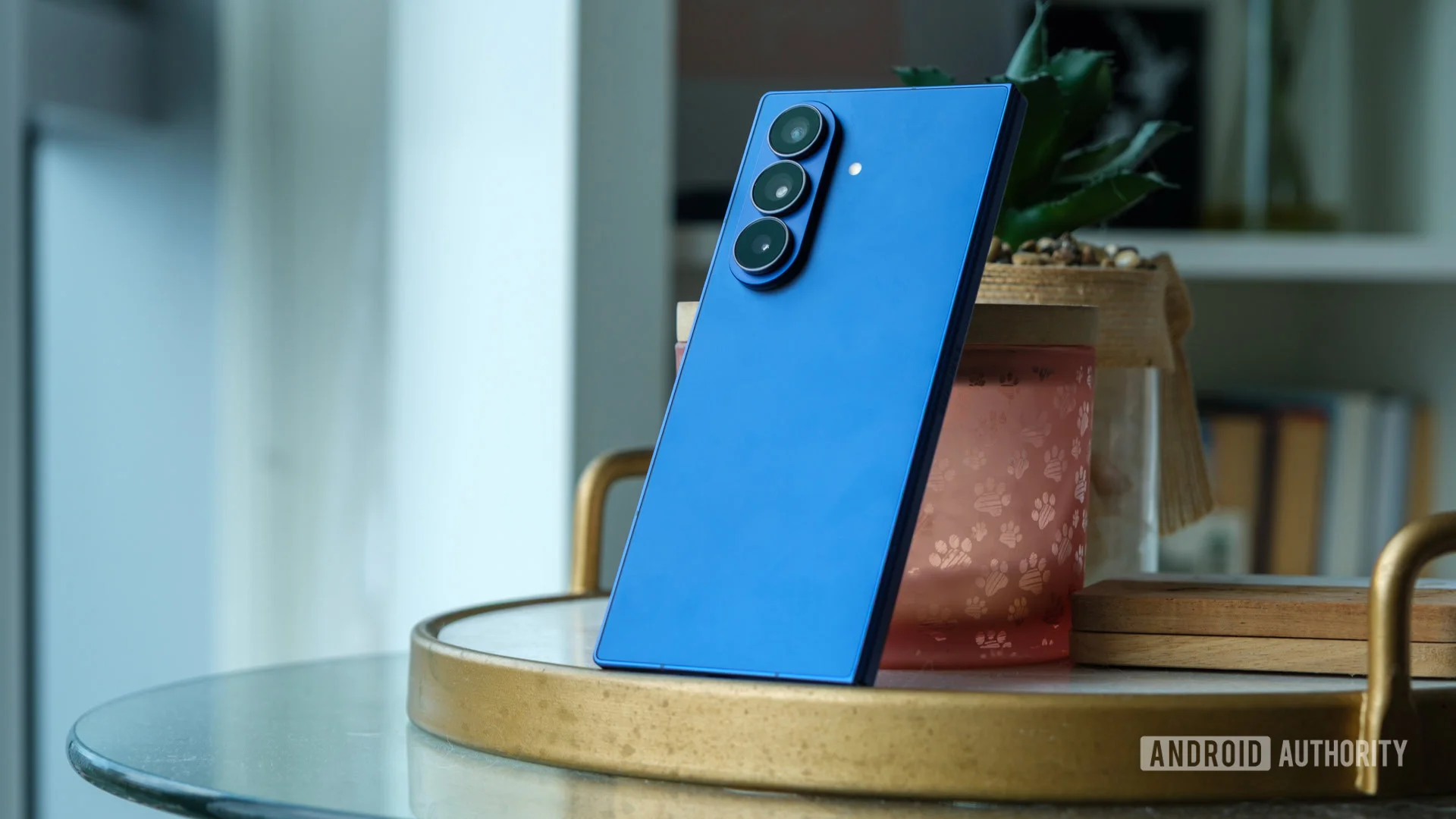
Upcoming Product Launch: Galaxy Z Fold 8 and More
Samsung is primed for a significant event next week with the unveiling of the Galaxy Z Fold 8, Fold 8 Ultra, and Flip 8 during its Galaxy Unpacked event. This is no small affair; every new iteration garners attention not just from consumers but also from industry analysts and competitors. With foldable technology gaining traction, Samsung is in a race to maintain its lead in this innovative sector, where both design and functionality are paramount.
Foldable devices represent a blend of smartphone and tablet capabilities, enabling users to adopt different styles or workflows depending on their needs. As such, Samsung’s moves in this arena will likely reverberate through the tech community, influencing future designs and feature sets from competitors. But with choice comes responsibility; consumers should weigh their buying decisions carefully, especially given the shifting promotions and industry dynamics.
Changes to Storage Upgrade Incentives
Prospective buyers eyeing a pre-order of these new models may find the changes to Samsung's storage upgrade incentive quite striking. Previously, pre-ordering certain models would automatically grant customers a free upgrade in storage capacity—doubling it at no extra fee. For instance, buyers of a 256GB variant would see it bumped up to 512GB, enhancing its value significantly.
This promotional tactic started with the Galaxy S23 series and was a key selling point, designed to entice customers despite high price tags often seen with premium devices. Now, though, buyers will only benefit from half of this upgrade cost being covered by Samsung, altering the initial appeal of these models. The company's decision to scale back on these incentives highlights a more cautious approach amid ongoing supply chain complexities that have plagued many technology manufacturers.
The Supply Chain Crisis
In recent years, the global supply chain has faced unprecedented challenges. Shortages of essential components like RAM and storage have thrown many manufacturers into turmoil, forcing some to rethink pricing models, upgrade paths, and even shipping times. Samsung's shift in pre-order pricing is merely a response to these broader industry pressures that have resulted directly from semiconductor shortages. These shortages have not only affected smartphones but also various electronic devices across different sectors, including automotive and consumer goods.
Without a doubt, this crisis reveals underlying issues in global manufacturing networks, including a lack of diversification in supplier bases. When a single disruptive event occurs, such as the pandemic or geopolitical tensions, the ripple effects can lead to significant delays and product shortages. In this context, Samsung seems to be adapting rather than clinging to overly aggressive pre-order promotions, which could endanger its margins in a time of uncertainty.
Consumer Reactions and Market Implications
What does this mean for consumers? While many may have already anticipated better deals based on previous releases, the current upgrade situation may prompt a rethink, especially amongst budget-conscious buyers. When the attractiveness of a storage upgrade diminishes, the perceived value of a high-priced phone could take a hit. Buyers might start weighing alternatives more seriously, including last year's models or competing foldables that offer more enticing incentives.
This in turn could reshape the competitive balance within the foldable smartphone market. If you're working in this space, pay attention to how other manufacturers respond to this shift. Any signs of adaptability from competitors may spell trouble for Samsung's sales figures. Consumers are more savvy with their choices than ever, and disappointment in promotional offerings could steer them away from pre-order options.
Future Outlook for Samsung and the Foldable Phone Market
The foldable phone market is poised for growth, and Samsung’s innovations will undoubtedly influence how this segment evolves. However, consumers are becoming increasingly prudent, and any negative perceptions regarding value can linger well past the launch window. Samsung’s decision to change its storage incentives is a tactical move that reflects broader economic realities. Yet, how well they communicate these changes to their audience will determine their reception in the marketplace.
It’s essential for Samsung to strike a balance between generating excitement through new features and safeguarding consumer sentiment about pricing and incentive structures. As the company moves to unveil the Galaxy Z Fold 8 and Flip 8, it faces a pivotal moment; the initial consumer response could dictate its competitive edge moving forward. The implications are vast, touching not only upon sales but also on brand loyalty in a highly volatile marketplace.
Investors and industry observers will be looking closely at Samsung's delivery on quality and upgrade expectations post-launch. Will they manage to turn around any dissatisfaction about storage upgrades into enthusiasm around device innovations? That's the question on everyone’s mind. The upcoming Unpacked event will surely reveal not only the devices themselves but also the market strategies that Samsung is willing to adopt in a post-pandemic supply chain environment.