How Neko Health's Avatars Drive Accountability in Personal Health
Monitoring personal health has taken on new dimensions, thanks to technology like smart rings and advanced scans. Recently, I visited the Stockholm clinic of Neko Health, a preventative health tech company co-founded by Hjalmar Nilsonne and Spotify’s Daniel Ek, to undergo my second full-body scan as part of their initiative to offer free check-ups.
The Insights of High-Tech Health Monitoring
Health monitoring is evolving rapidly, as personalized and data-driven methodologies replace broad generalizations once used in medical assessments. The integration of smart technology into health practices raises the stakes, offering both benefits and challenges. On one hand, you’ve got unprecedented access to health insights; on the other, you're staring at potential data overload. This shift from traditional check-ups to high-tech diagnostics demands not only new infrastructure but also a shift in patients' mindsets—a sentiment that's mirrored in my experience at Neko Health.
Despite not adhering strictly to a health regime—I enjoy wine, red meat, and the occasional sugary treat—the results from my recent scan revealed deteriorating metrics compared to three years ago, underscored by a particularly unflattering body avatar created by Neko.
Confronting the Body Avatar
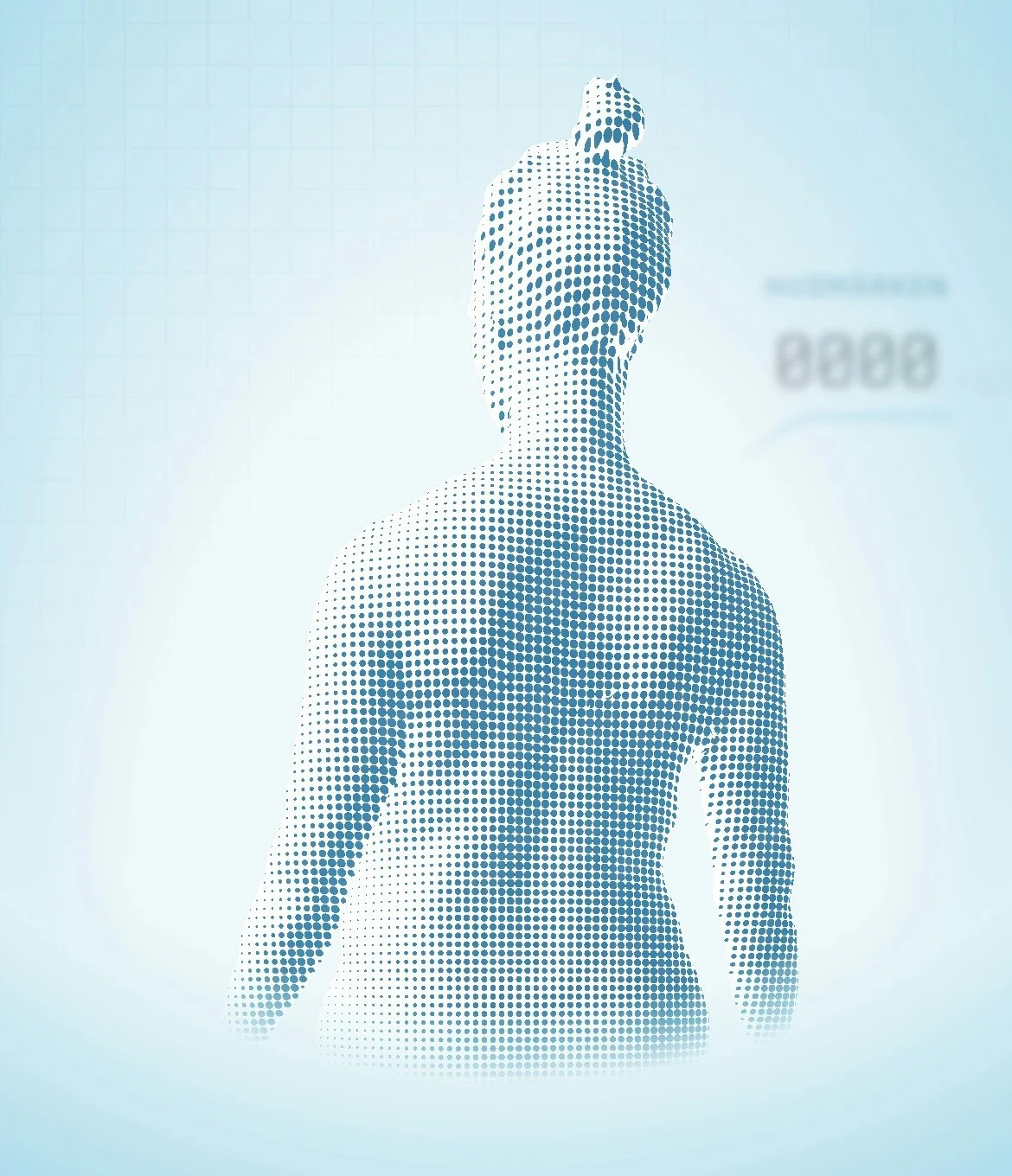
This avatar, representing my physical state, was shocking to witness. Even at my lowest self-esteem moments, I wouldn't conjure such an unappealing depiction. The unflattering angle and color choices in the avatar left me perplexed; with so many imaging options, the choice of perspective seemed counterproductive. The avatar serves as a stark visual representation—aimed to shock us into realizing the consequences of our lifestyle choices. But does it truly motivate behavior change, or does it risk alienating patients further?
The Numbers Game
In my last visit, I noted discrepancies in measurements when comparing the app's data with my own tape-measure observations, with an 8 cm difference around my waist. This time, those estimates weren’t provided, leaving me uncertain of their accuracy. The absence of quantifiable data only added to my frustration. For many, such discrepancies can lead to skepticism about the technology's reliability. After all, if you can't trust the numbers, what are you really left with?
The avatar seems to be more of a cautionary glimpse into a possible future rather than a reflection of my current health. The image portrayed excessively flabby skin, unrealistic body proportions, and seemed to suggest a total neglect of fitness. After I shared a screenshot with my sister, her disbelief was palpable—“That doesn't look like you,” she exclaimed. This kind of dissonance raises an essential question: Why do we seem to respond more to visuals than numbers? Perhaps it’s because images can elicit deeper emotional reactions, and therein lies the potential for behavior change—if utilized correctly.
Reshaping Health Conversations
In the clinic, I requested the doctor to obscure the avatar dominating the display next to my results—alarming as they were—with a note claiming my body is two years younger than my actual age. Interestingly, the doctor observed that many patients are spurred into action after viewing their avatars, pushing them to alter their health habits. It seems there's a fine line between motivation and discouragement. Some patients may well be driven, while others might retreat into denial after grappling with such stark imagery.
The approach Neko Health employs clearly resonates, showing how a person’s virtual representation can serve as a wake-up call. With a stark choice presented—transform one’s habits or resign to complacency—the intensity of the experience is evident. But can a virtual avatar genuinely catalyze long-term changes in behavior? This question lingers as the health tech industry pushes boundaries.
Neko Health's Strategic Moves
Neko Health is evidently making strides, exemplified not just by their recent $700 million funding but also by the opening of new clinics, including one in New York. This level of investment signifies confidence in the model they're developing. Speaking with Nilsonne, he shared insights into their strategic enhancements since my last visit. Additional blood tests and improved circulation assessments have been introduced, along with wearable tech integration and a body composition feature that uses AI to assess visceral fat levels. These additions suggest a commitment to continual improvement aimed at enhancing the user experience.
Nilsonne expressed confidence in their ability to retain customers over time, noting that although initial follow-up rates may dip, return visits from subsequent checks tend to improve, with a notable 80% overall retention rate. “Once people grasp what we’re after, they’re more willing to commit to their health journey,” he stated. This doesn’t just speak to client satisfaction—it underscores a shift in how health services can attract ongoing participation by connecting individual goals with their business model.
Taking Action Post-Scan
In a bid to better my own lifestyle, I took action following my scan. I replaced butter with avocado in my morning meals and began a more intense muscle-building regimen. If you're working in this space, figuring out actionable steps post-assessment is vital. It's one thing to gather data; it's another to translate that info into meaningful change.
Implications for the Future of Health Tech
As companies like Neko Health expand and refine their offerings, the implications for personal health management are significant. The blend of advanced diagnostics with user-friendly tech can potentially redefine how individuals engage with their well-being. But challenges remain. The effectiveness of visual data representations like avatars in promoting genuine health changes will need careful examination. Are these images helping or hindering our progress? What this means for you is an ever-increasing need to discern helpful tools from mere gimmicks.
For those interested in the health technologies driving change, you can check out my complete interview with Nilsonne here.